

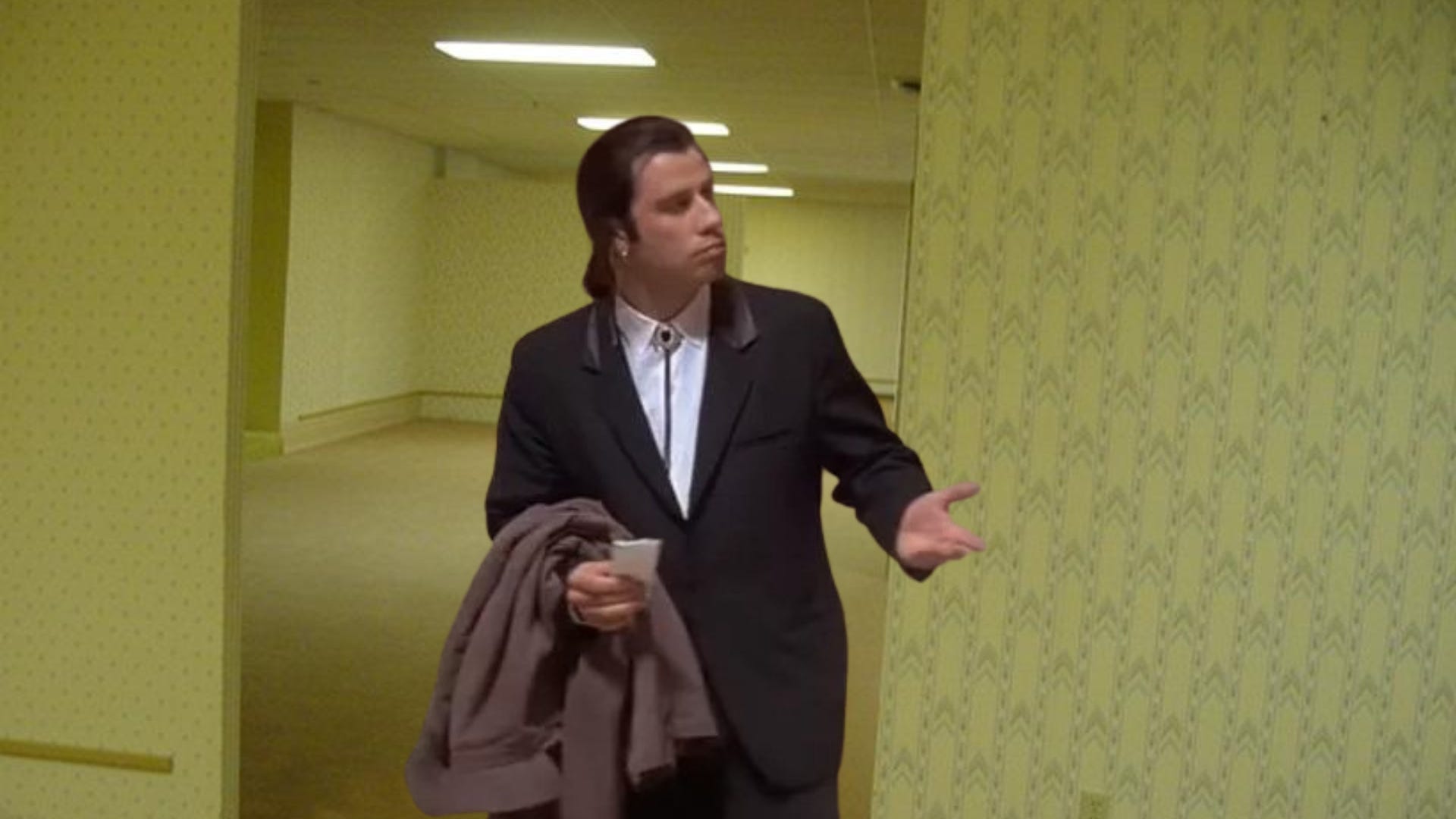
Ah, the peril of being chased through a mundane maze of office corridors by a creature whose most insidious feature is being way too tall.
I think the definition of “liminal spaces” has perhaps strayed a bit. Spend more than 60 seconds browsing r/liminal, and you’ll read this term described in a half-dozen, equally vague ways:
Peaceful and creepy at the same time
Empty, dream-like
Nostalgic or evoking a sense of “longing” (?)
We’ve gone from niche fascination to misguided aesthetic to viral video game genre to feature film, and I think we’ve all become a bit dizzy in the process. Suddenly any empty basement with fluorescent lighting or vaguely outdated furniture has become a LiMinaL NiGhtMaRe.
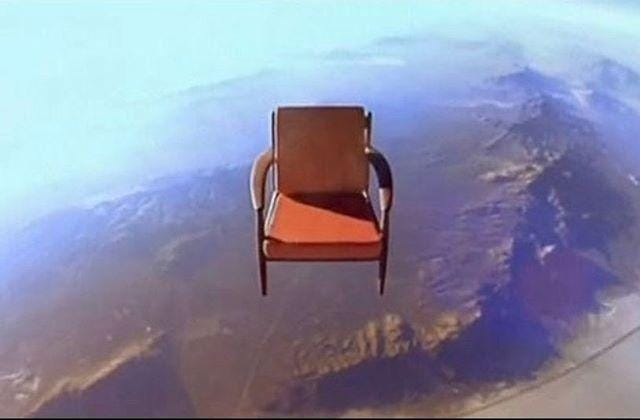
Which isn’t inherently a bad thing. It’s all become a bit subjective, as these things tend to do when they are adopted and swallowed by the insatiable, grubby mouth of the internet. And don’t get me wrong, Backrooms is great. But I’d like to explore the concept of liminality with a (hopefully) more practical lens.
If you’re a world builder, GM, or maybe just an interior designer with a sick sense of humor, understanding why liminal spaces are scary may unlock some insight into creating an unnerving (but memorable) experience, both on the page and at the table.
Here’s where I’m taking us:
While I do have the urge to push my Amazon Basics blue light glasses further up my nose and explain to you that “the origins of the term date back to the late 1800s, branching from the Latin limen (‘threshold’)” — there’s no time! Here’s the 20-second cliff notes instead:
Liminal,
adjective
Of, relating to, or situated at a sensory threshold.
In an intermediate state, phase, or condition; in-between, transitional
→ 1909, anthropologist Arnold van Gennep coins the concept in Les Rites de Passage, describing rituals of status change (like puberty, marriage, death, coronation)
→ 1967, anthropologist Victor Turner revives the concept in his essay “Betwixt and Between,” coining that exact phrase to describe liminal individuals as “neither here nor there.”
→ Although the latest “Backrooms” craze gained massive traction in 2019, the original Backrooms photo is literally old enough to be in the public domain. Get off my lawn, shouts at the clouds, etc.
My 3 Arbitrary Rules of Liminality
Before we bring liminal spaces to the table, I want to re-orient ourselves by exploring which spaces in the real world exist solely as a “transitory space.”
My preferred way of grasping this is to think of a liminal space as any environment whose primary purpose is facilitating a bridge from one destination to another.

Sticking with this metaphor, and because I desperately need to commit to a reliable criterion for this, let’s lay out three conditions every liminal space should satisfy to be considered worthy of the title. Why three? I don’t have a reason for you, suck eggs.
And please chime in with your thoughts, I would love to hear others’ perspectives on what a truly liminal space is to them!
Like any bridge, liminal spaces should satisfy all three of these conditions (not just one or two):
Built to move through, not to. The cornerstone of the “It’s wrong to be here alone” trigger.
Artificially constructed. (I realize this might be a controversial one, but I am of the opinion that the natural world around us is the original permanent space and therefore rules out being defined as a transitory environment. Do vast, empty spaces give us both the heebies and the jeebies? Sure. But not liminal, in my book.)
Disorienting sense of scale. I believe this is the most commonly omitted feature of false liminal spaces. True liminality should make you uncertain of how vast your environment is. Not just big and empty, but an unmistakable ambiguity about where you are in it and how you get out. If you’re not disoriented, take a deep breath… you may just be inside a very large room.
Liminal Space or Just a Sad Room? A Photo Gauntlet
So let’s put some popular types of “liminal spaces” through our little test and see if anything interesting happens.

I originally thought this was a slam dunk hard no, but it turned out to be more of a lazy layup no. Fantastic vibes, very eerie. 8/10 would love a story that takes me here. What is that marking on the door? Is that a light on in the window? But alas…
Built to move through, not to: ✖️
Artificially constructed: 🤏 (Half credit!)
Disorienting sense of scale: 🤏 I’d argue the context of a house being here is disorienting. But spatially, I assume I am just in a big dark swamp.
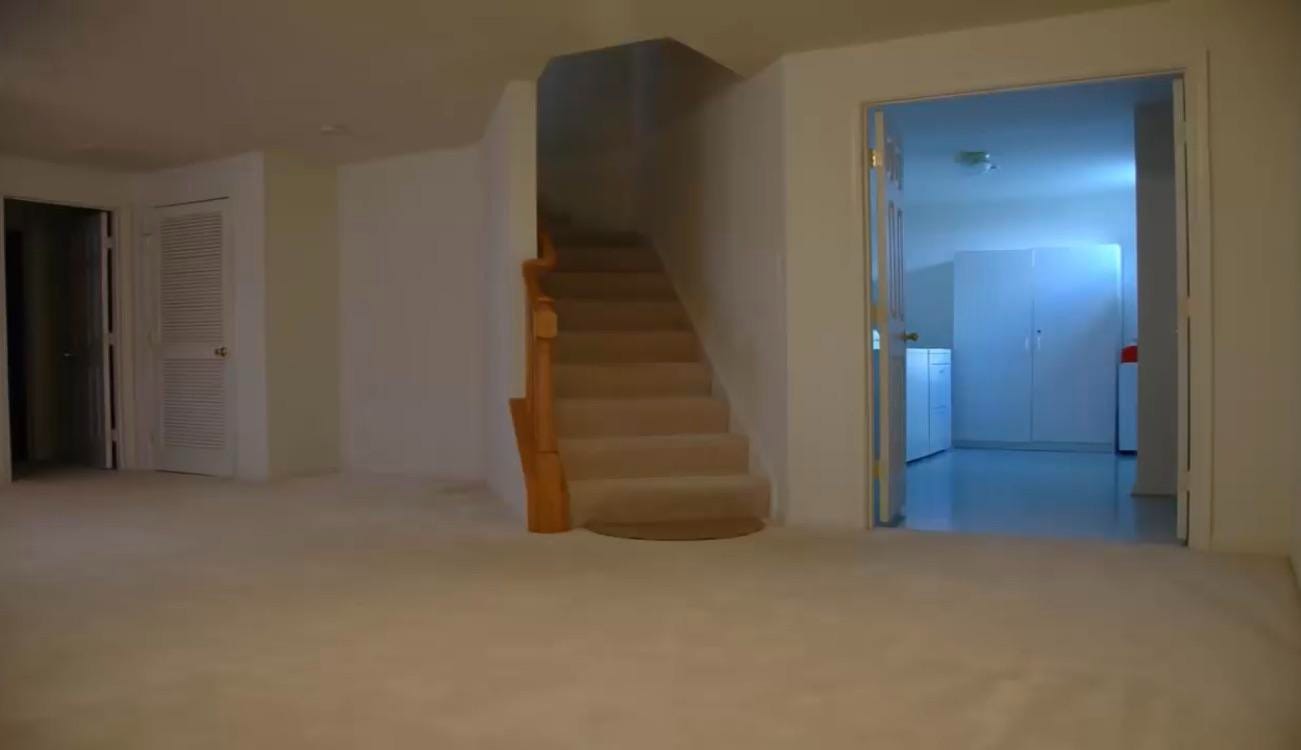
This one is beginning to lean more toward what we traditionally think of as feeling slightly “liminal.” I’ll concede, maybe slightly. I think the dramatic contrast in light room to room is giving me at least a full heebie. But at best, this is simply making me feel “last photo I took of my childhood home as I move out” depression. Let’s test it.
Built to move through, not to: ✖️
Artificially constructed: ✅
Disorienting sense of scale: ✖️
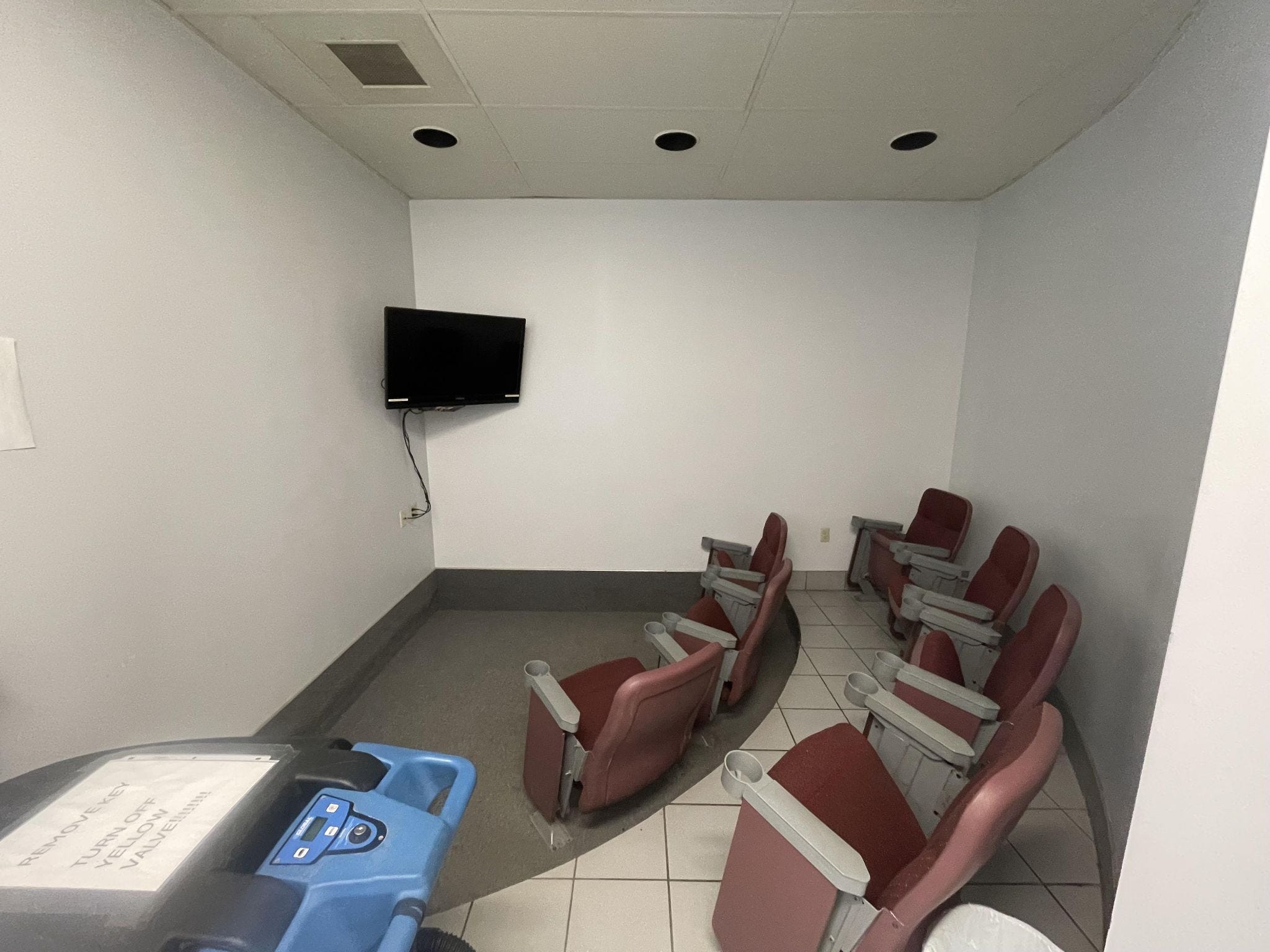
I’ve been looking forward to doing this one as I write this. It’s just so fucking weird, dude. I believe the caption for this was something like “gas station movie theater” too, so if you’re anything like me, you’ll be thinking about that for the next week or so.
Built to move through, not to:✅ Going off the assumption this is a gas station.
Artificially constructed: ✅
Disorienting sense of scale: ✅ The size (and placement?) of the tv, the split of carpet and tile, the Willy Wonka-ass perspective of this… room? Hallway alcove?
How about that? A genuine liminal space.
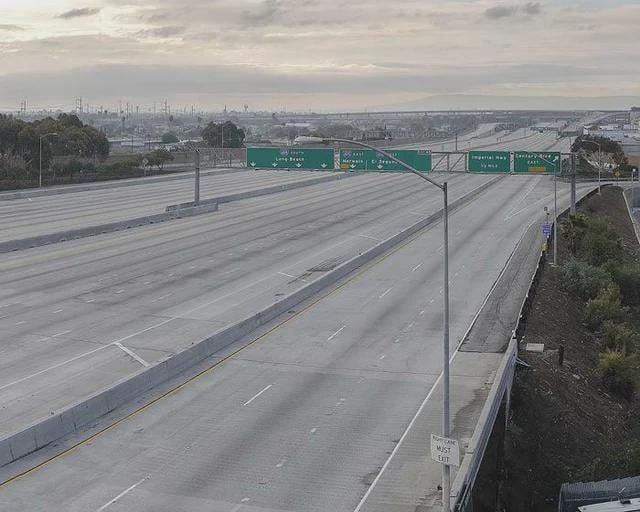
An empty highway during the COVID lockdown. There’s no way this qualifies. This is basically in “wet dream” territory for the average Californian.
Built to move through, not to: ✅ Ok they got me there.
Artificially constructed: ✅ Well, yeah but there’s no way this will actually—
Disorienting sense of scale: ✖️ Ok, that was close. Again, disorienting context and a bit eerie for sure. But the environment does not remotely confuse me. I know exactly where I am, unfortunately.
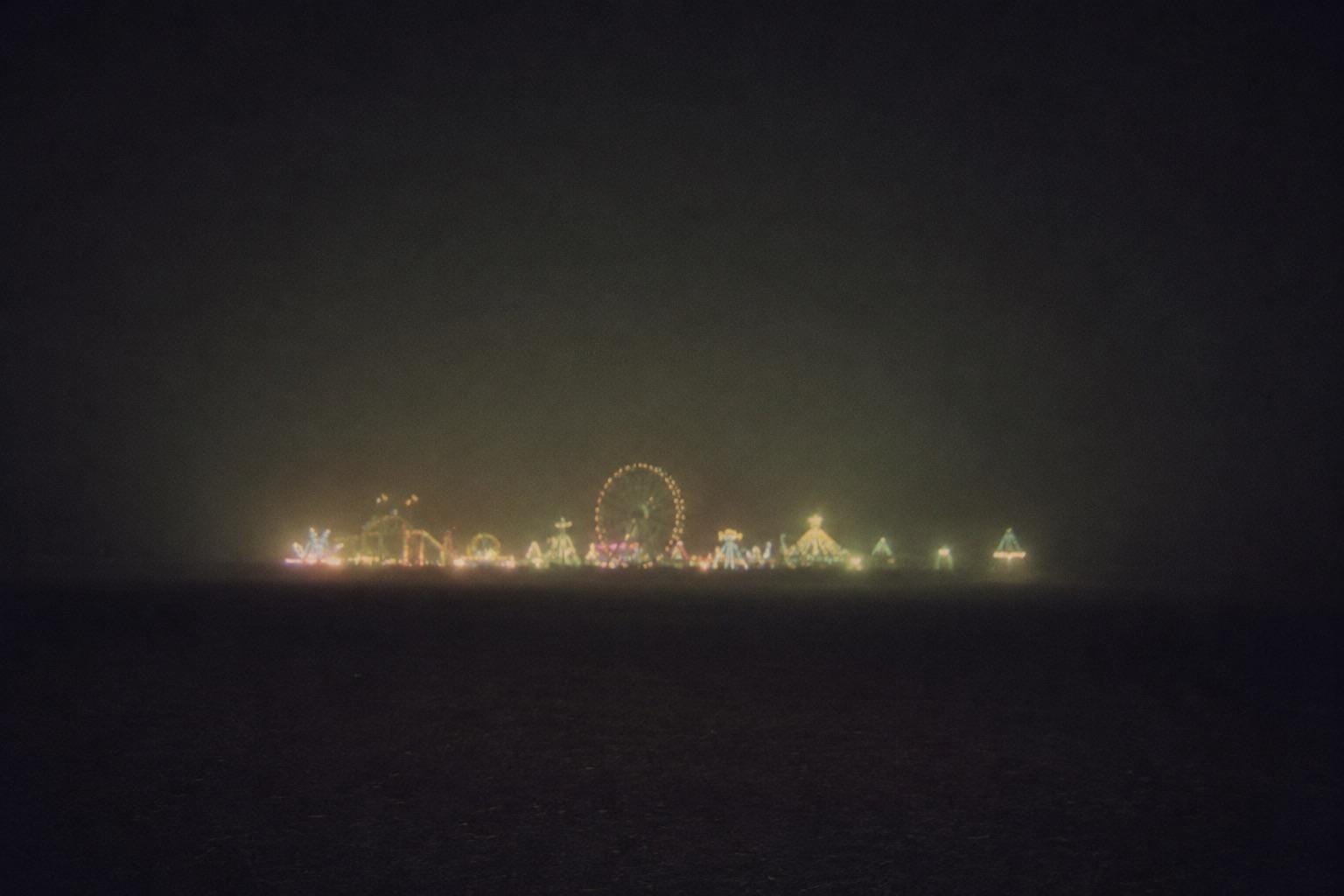
I don’t know what to think about this one. I can’t really get my bearings, which may end up working in its favor. But emotionally this feels like a vague flash memory of a dream or something.
Built to move through, not to: ✅
Artificially constructed: ✅
Disorienting sense of scale: 🤏 Don’t hate me. To me it’s still just an amusement park in the distance—wait you know what, no. Why is there so much dark space around it? Amusement parks are near an urban setting. And even if this is one of those pop-up-in-a-field type of things… which is like, yeah wait. Is this place really big or really small? Is it a miniature on a card table in a dark room? I changed my mind: ✅
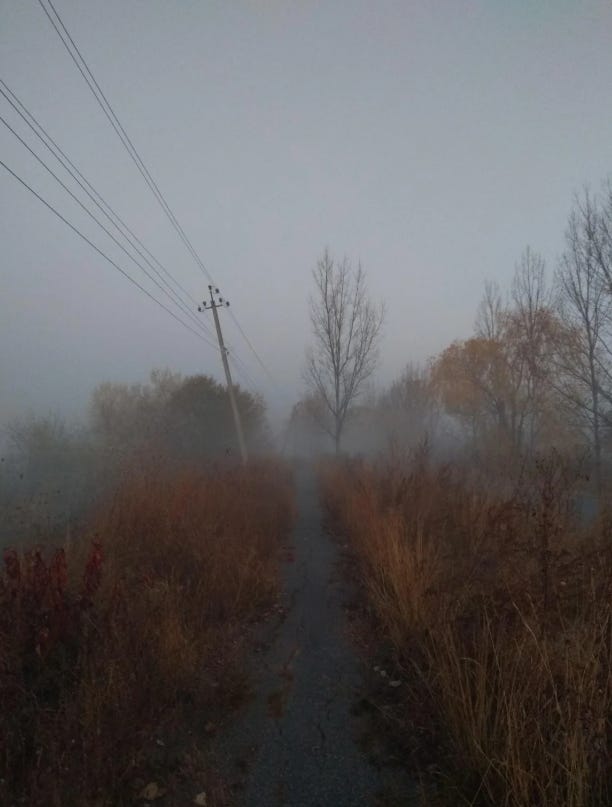
No, next. Lowkey a beautiful morning walk.
Built to move through, not to: ✖️
Artificially constructed: ✖️
Disorienting sense of scale: ✖️
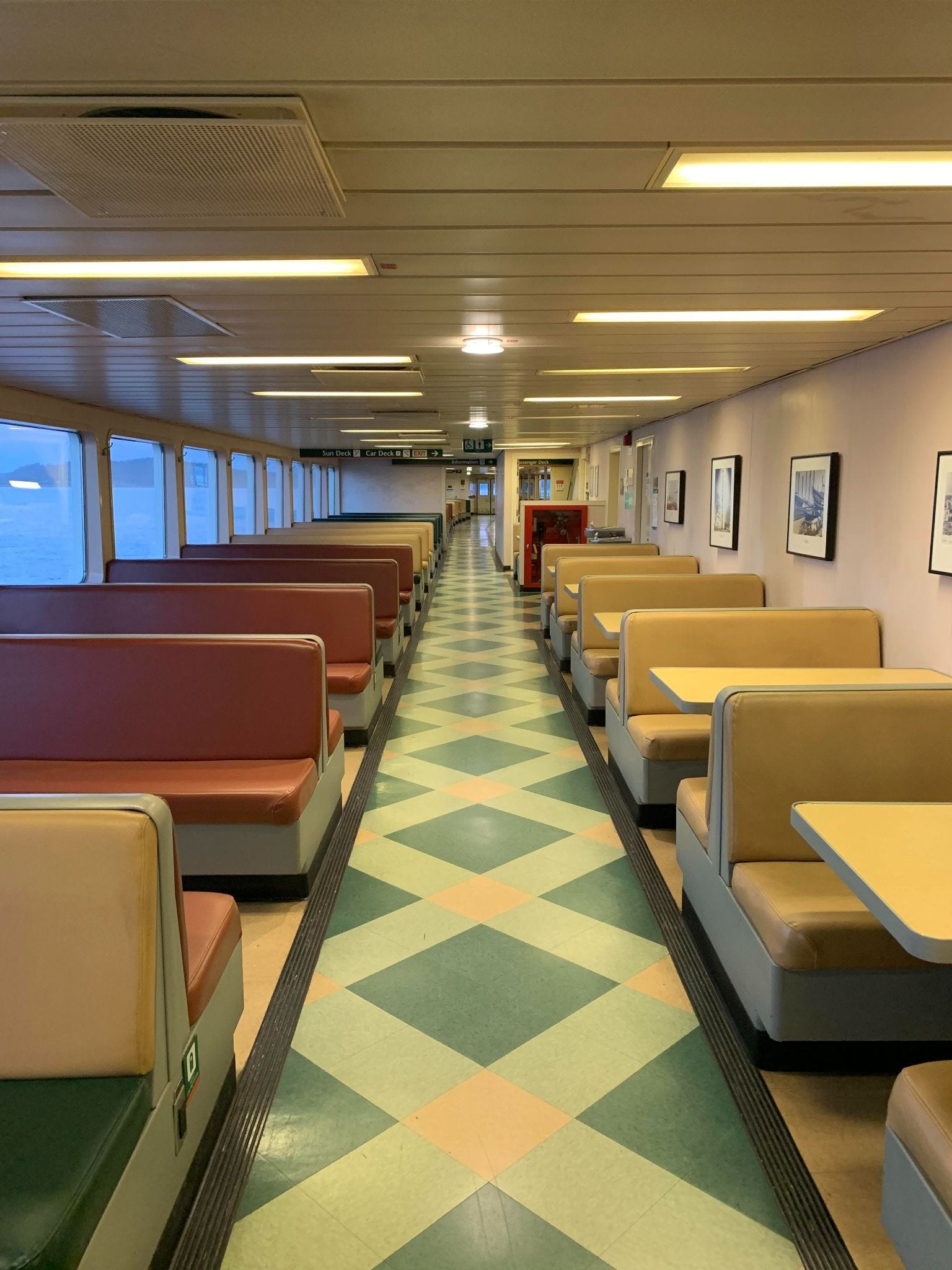
And an empty Seattle ferry in the wee hours of the morning. An intriguing item. If it weren’t for being able to orient so easily via the water (and land) out the window, this would truly look like some fucked up, never-ending diner or something.
Built to move through, not to: ✅
Artificially constructed: ✅
Disorienting sense of scale: 🤏 It’s a close one but, to me, the windows kind of ruin this one. If it was a white void or even just endless water, maybe? The presence of land really roots this in the mundane for me. However, sign me up for a horror story that takes place on an endless empty ferry ride between nowhere.
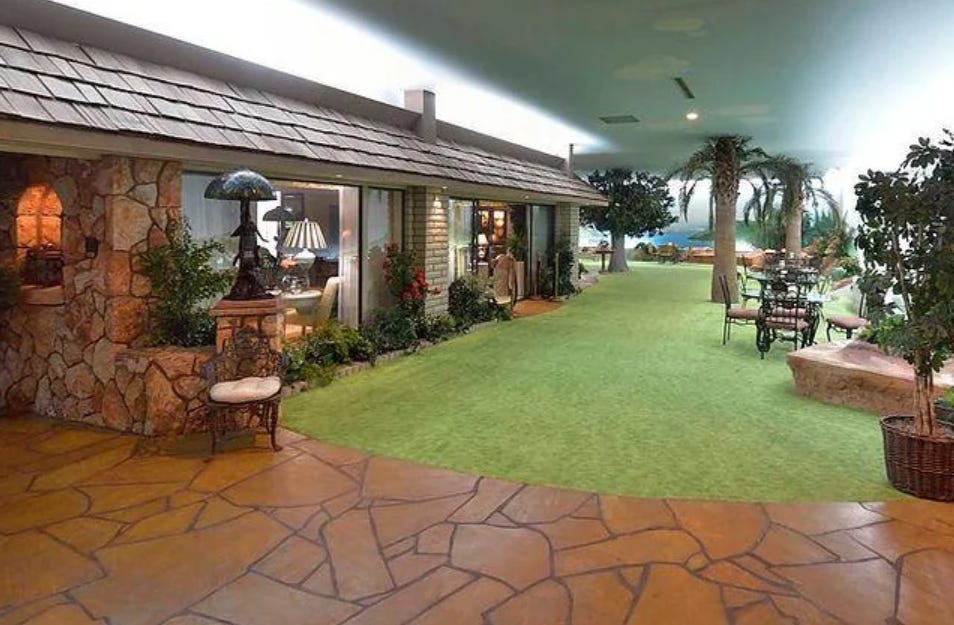
I think this one is great, and a solid example of a loophole to the “houses can’t be liminal” corner we’ve almost boxed ourselves into. We have a Cold War-era bunker situation, seemingly aimed at simulating suburban life. This one has it all: faux landscaping, low ceilings, and even a swimming pool. Seriously, there are more photos here, enjoy.
Built to move through, not to: ✅
Artificially constructed: ✅
Disorienting sense of scale: ✅
This is Your Brain… This is Your Brain on Backrooms.
Try to think of the quietest sound you can just barely hear (like the tiniest fart), or the smallest weight difference you can just barely feel someone add to a box you’re holding (like the air from the tiniest fart). Almost imperceptibly more than nothing at all.
You may already know this, but you also may be a moron like me and have forgotten that “liminal” has a familiar partner: subliminal, which means “inadequate to produce a sensation or a perception” or “existing below the threshold of consciousness.”
At its core, liminal spaces induce fear by putting you as close as you can get to a physical manifestation of the subconscious.
And what’s more unsettling than the permanently unknown Mariana Trench of our lizard brains? Our deepest primal urges, the black tar pit where all our instincts swim, without our consent.
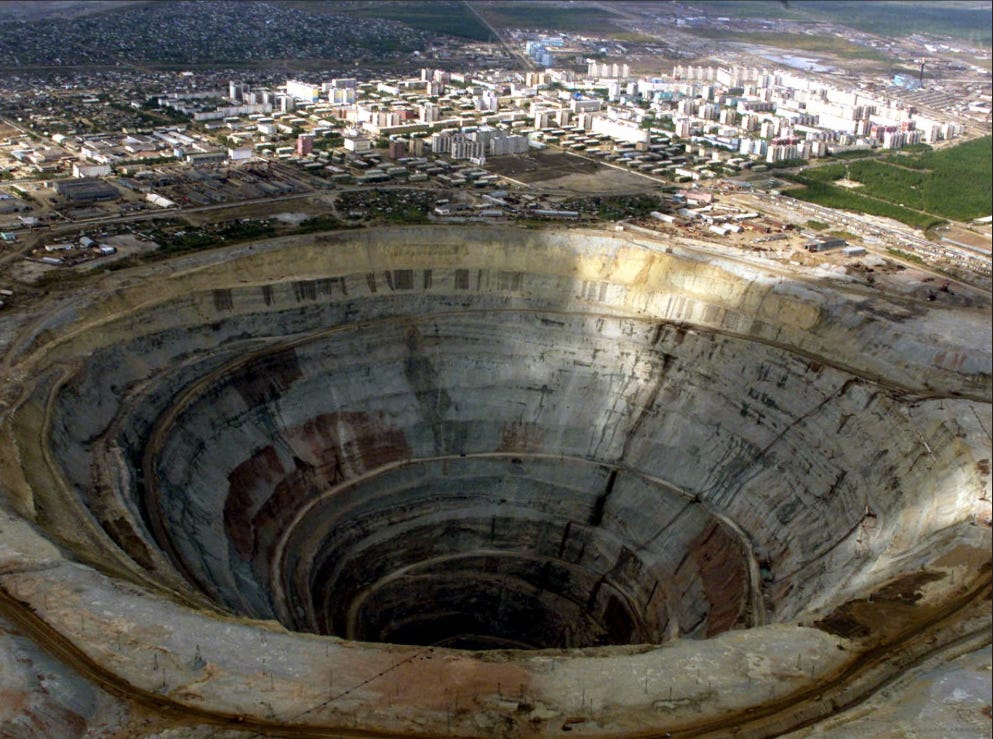
Let’s put ourselves in our very own liminal space. We’ll use an empty airport whose boarding tunnels only lead back to different gates as an example. Our typical reference for an airport is defined by the presence of people and perpetual movement. This is an environment defined by the sounds of crying babies echoing off of tall concrete walls and the occasional, distant garbled PA announcement.
Strip these social cues away, and you are left with an open-floorplan shopping mall that exclusively sells $10 bottles of water. Certainly a recipe for the creeps on its own. What we really find ourselves in, though, is an environment without purpose. The structure is correct, the architecture is expected and familiar. But its contents are completely missing, as if you accidentally stumbled backstage at some sort of Truman Show-esque dress rehearsal for something you were not invited to.
This mismatch represents both a violation of our expectations and tends to trigger alarm bells that do not clearly resolve into any direct threat. This senseless ambiguity almost automatically inserts the one thought that has been the jumping-off point for so many nightmares: I shouldn’t be here.
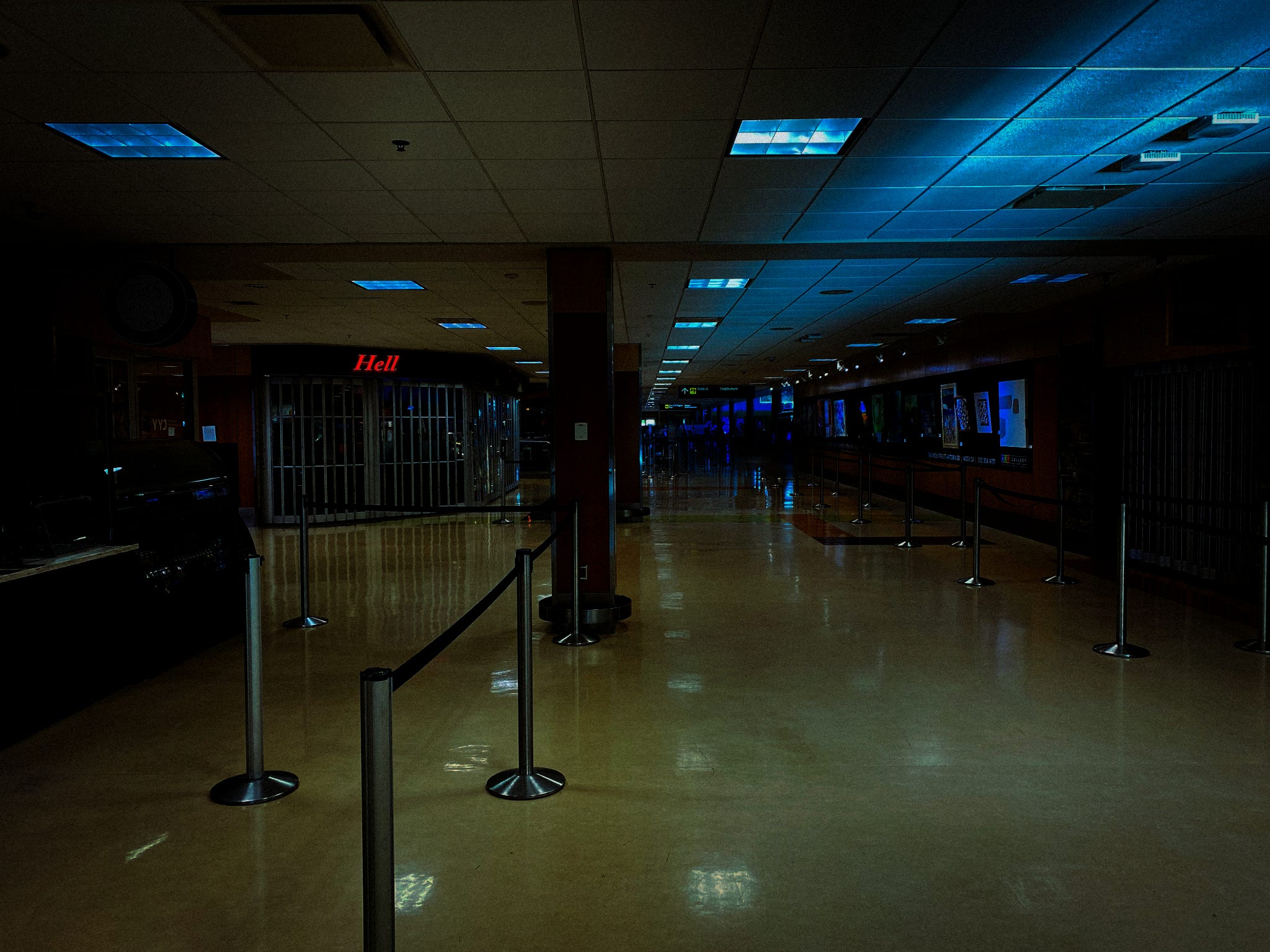
We can extend this further to include the sorts of things you actually begin to notice when an environment’s contents are stripped away. How symmetrical and minimally staged the empty rows of chairs really are. Where areas meant for long lines of coffee-sipping travellers have given way to empty floor space where carpet and tile meet at pretty strange places. You actually get a chance to study just how much this place reminds you of a hospital, shiny and bathed in fluorescent light. We begin to have similar feelings as when we see “almost-human” robotic or computer-generated faces that reside in the Uncanny Valley. The “almost” is just tiny enough that it triggers some instinctual imposter alarm bells that cause us to feel uncomfortable and want to reject it.

Most importantly, our big empty airport only has boarding gates that lead to other boarding gates. This completely compromises our orientation in the space. We walk the boarding bridges, and we find ourselves inexplicably back in a different terminal of the airport. We look out a window, and we find ourselves in a hamster-tunnel knot of steel and concrete.
Our brain has no script for how to behave when we are in this kind of situation. We are loaded with uncertainty, we are given 0 exit logic, and there is still no tangible urgency to actually do anything or go anywhere. Combined, this puts us in a psychological sensory deprivation tank where we somehow feel both claustrophobic and agoraphobic.
If you’ve ever had a layover at Chicago O’Hare, you know the feeling well.
How Do You Port Liminal Spaces Into Fantasy, Sci-Fi, or Your Undefinable Genre-Mashterpiece?
From a worldbuilding perspective, I think it’s important to include environments (or the opportunity for environments) that shift the pace of the story unfolding within them. From my own experience, it can be so easy to get wrapped up in the larger-scale dynamics of my world that I end up completely forsaking the dynamics of the characters that are supposed to eventually inhabit it.
Great, my ancient temple has ties to an extinct religion, borrows architecture from Eastern European brutalism, and is built atop the massive grave of an eldritch god-king. But the second my characters or players enter, they’re still just standing inside a temple.
Liminal spaces present a great excuse and opportunity to finally pay some attention to some of our interiors. These environments represent an effective way to momentarily re-balance your session away from physical combat, or introduce some passive tension to an otherwise predictable puzzle room.
But obviously, there may not be any Y2K-era furniture stores or abandoned McDonald’s play places littering your high fantasy realms or far-future moon outposts. And if there is, god bless you. No notes.
So how do we find some natural liminality in the environments we are already using for our silly little worlds? A few jumping-off points to get us started…
Fantasy:
A bridge that you can’t see the other side of
A temple or ceremonial palace room lined with pillars
A network of labyrinth-like mining tunnels beneath a castle
A spiral staircase where the tower’s true height is unknowable from the inside
If you’re feeling lazy… a magic-induced fugue state gives you all the freedom you want
Sci-fi:
The umbilical docking/airlock tube between ships or stations
An enclosed transit line within an orbital ring or city
A ship stuck in hyperspace
An abandoned refueling depot
If you’re feeling lazy… a glitch in the simulation
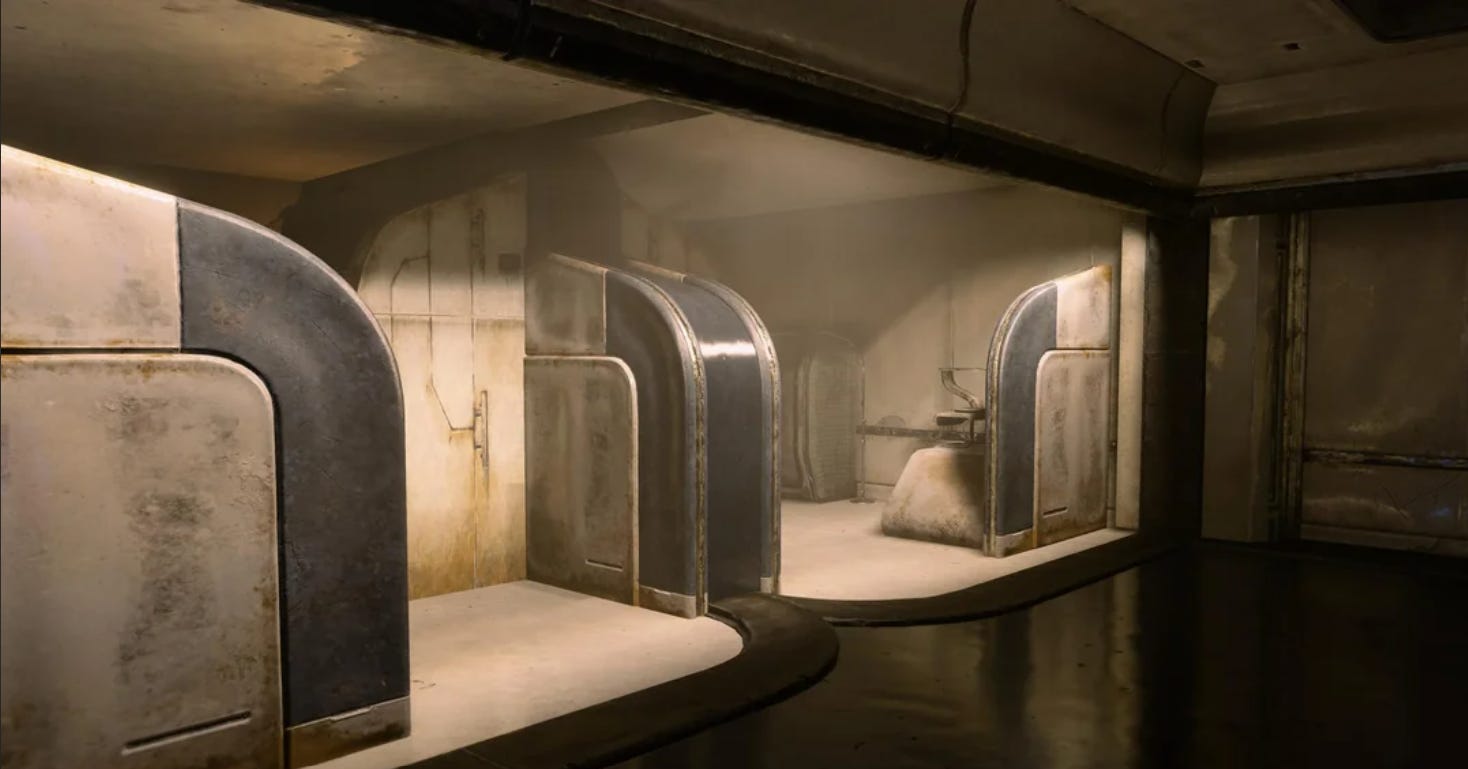
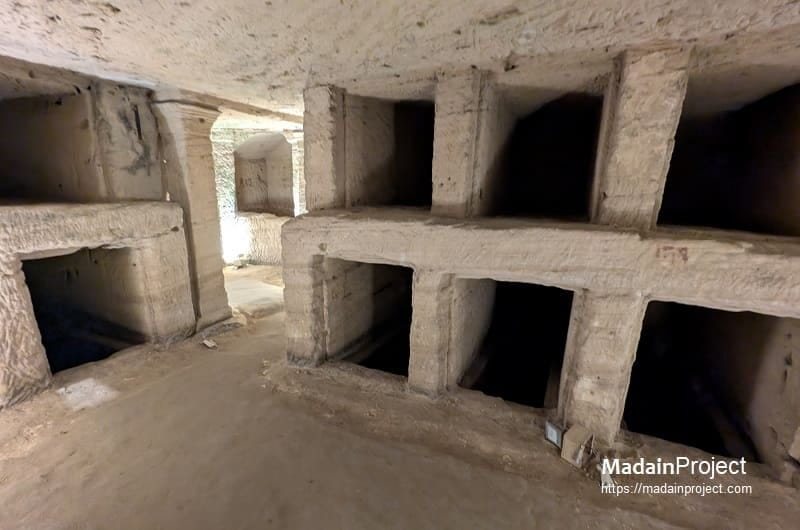
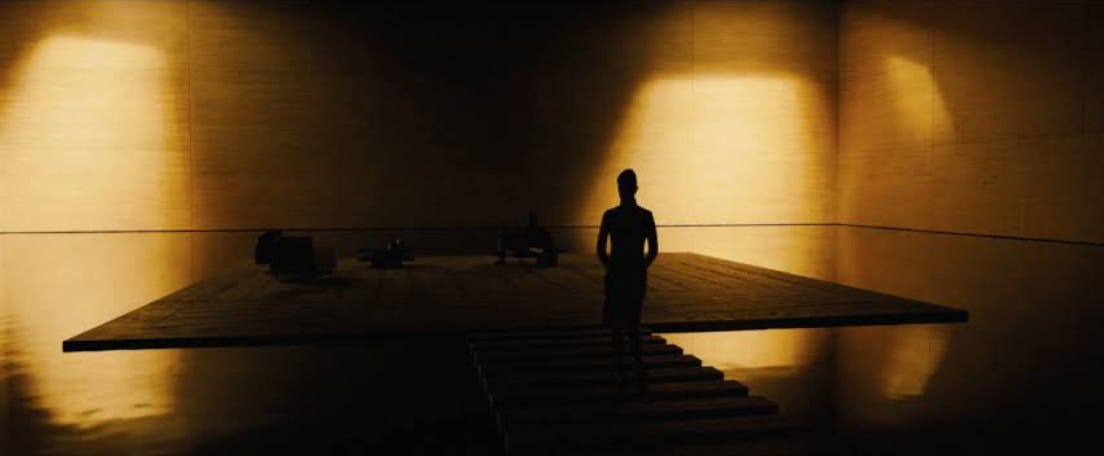
Even if you don’t want to plan a whole set piece around it, there are still other elements you can add to environments within your existing campaign to help put players on edge before a big encounter, or just disorient them for fun because you’re feeling like a little psycho tonight.
Think about things that can be easily slotted into almost any room:
Sound that travels backward through the space (you hear footsteps after someone has already passed, or hear a door close before it visibly does)
Shadows in the room don’t match anyone or anything present. Maybe they’re cast by things that used to be there, or things that will be
A corridor that curves so gently the party can’t tell if they’re walking straight or turning
Ambient hums, alarms, or comms chatter with no clear source (sci-fi)
Lighting or artificial backgrounds cycling through settings (sci-fi)
This is a perfect time to play with gravity… (sci-fi)
Lying to Your Players (Responsibly!)
Let’s talk game mechanics. And let’s go beyond the classic, “When you walk through the door, it takes you back to where you were before… whoah!”...I know I used that for my airport example, but that’s different because I’m a hack.
Leveraging liminality in your session involves some creativity and a fair bit of lying to your players. Don’t worry, done responsibly, it’s quite fun. Consider only choosing one of the below lie mechanisms, not multiple. One hidden system is more than enough alongside everything else you’re already tracking.
Disable distance-tracking abilities: Any spell, skill, or system tool that normally measures/reveals distance (detect direction, mapping tools, tracking rolls) either returns no result or returns a result that you secretly override. Dastardly.
Break advantage on Navigation/Survival checks: Rolling with advantage on a navigation check in this space actually uses the lower of two dice. Obviously you need to give your players some sort of explanation after the first time this happens… “there is something about this environment that throws off their sense of instinct.” Keep it vague, watch them try and roll for (inverted) disadvantage, and profit. You sneaky little minx.
Passive senses get stuck: Darkvision, passive perception, autosensors, ship scanners… anything that normally works automatically now requires an active roll to function at all in this space, and even success only reveals partial information (a range, not an exact reading). You bastard.
A stat temporarily borrowed: Instead of a debuff, one character’s number is temporarily swapped with another PC’s for the same stat (Perception, Wisdom save, whatever) without telling them to illustrate that their senses aren’t their own here. Cruel AND conniving.
Betwixt Your Players: Using Liminality to Bond the Party
Remember our boy Victor Turner (the one who invented “betwixt”)? He also used the term “communitas” to describe the leveling, egalitarian bond that forms among non-belongers. Normal hierarchy doesn’t apply to those who currently hold no fixed status, right?
The tabletop is a delicious place to tap into this.
When your party enters your liminal space, you can also strip them of their class, rank, or noble standing. Remove your players’ hierarchy (including NPCs who may be present), and you create an opportunity for genuine roleplay that’s untethered from their rigid, character sheet assumptions.
Titles alone aren’t enough to open doors they normally would, faction reputation temporarily goes out the window, and your players must rely on cooperation and improvisation instead of privilege to navigate a truly level playing field. Unscripted alliances that wouldn’t happen within normal social boundaries are always ripe for memorable moments.
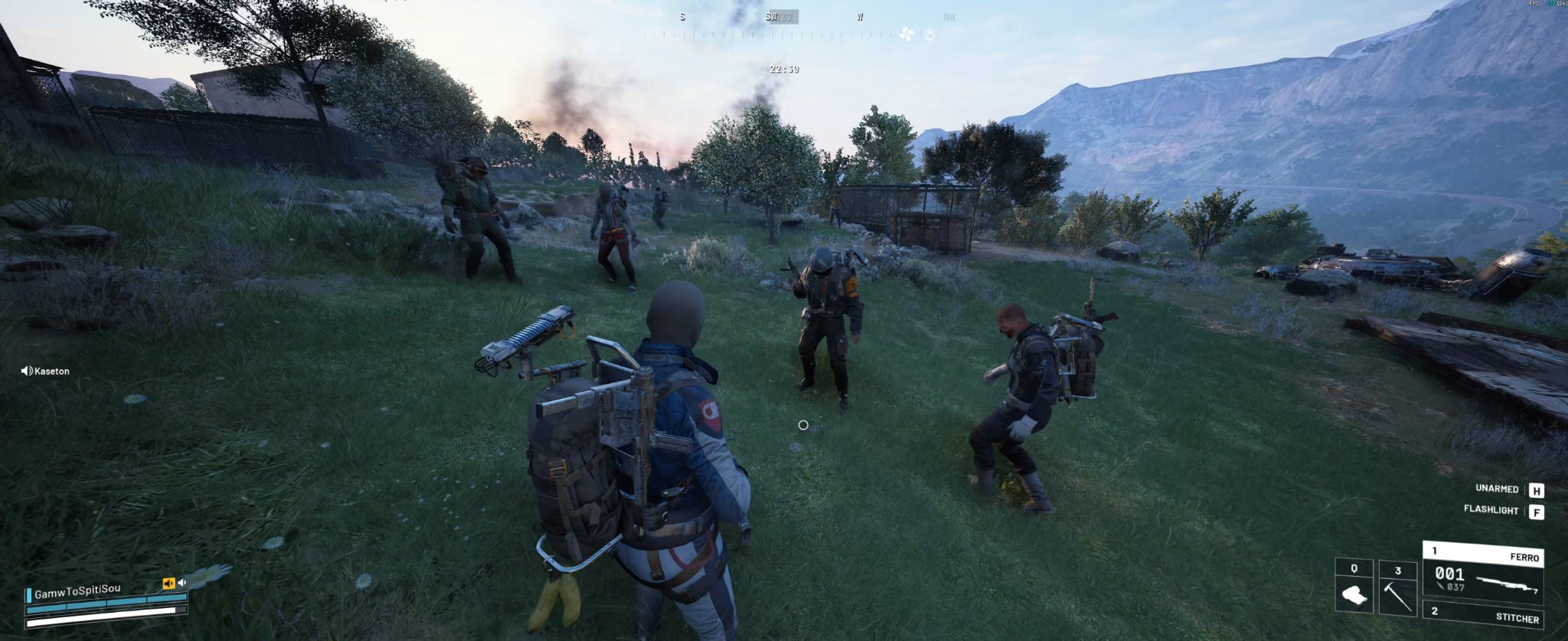
You can go a step further and fold in a temporary shared bond mechanic while inside. Maybe all PCs AND hostile NPCs trapped there share a single pool (luck points, group sanity, a communal resource) instead of individual stats. Interdependence, even temporarily, can nurture a shared stake in the outcome that individual stats just can’t replicate.
Capitalize on this by rewarding communitas, instead of individual heroics. Tie the exit condition or a key reward specifically to a collective act (everyone contributing equally, no one “solo-hero-ing” the puzzle) so escaping requires embracing their newfound equality.
Don’t Overcomplicate This, You Menace
Consider pre-committing one of these heinous little lies before the session. If you do fancy yourself an improv artist, then at the very least use a physical/visible tracker for yourself. Borrow progress clocks from Blades in the Dark, keep a tally on scratch paper, something.
You’ll also want to cap how long the lie runs. Set a personal limit (a number of turns, a number of failed checks, or a scene boundary) and then let something concrete actually surface. A real landmark, an honest number, just anything to give players that eventual release valve.
This probably goes without saying, but just avoid lying about anything with permanent consequences. HP, death saves, resource totals that matter for survival past this scene. We’re in the business of being naughty, not evil. The last thing you want is for players to feel genuinely or irreversibly cheated.
Last of all, remember you’re not necessarily punishing players for failing something as much as you are punishing them for overexposure to a liminal space.
When it’s all said and done…
(Please play Wake Up by Rage Against the Machine here, for the best experience)
You did it. You’ve reached the end of the great beige hallway. You finally understand how to harness liminality. You’ve opened a door that finally leads you somewhere. You reach out hesitantly, brushing the doorknob with a finger. It’s warm, it’s welcoming. The door slowly opens on its own, and your whole life flashes in front of you.
Those awkward pre-teen years when you were not a kid or a teenager, and no matter how hard you tried, you couldn’t figure out where you belonged.
The years you spent grinding odd jobs while you chased the “career” shaped carrot on a life-sized stick.
The year you experienced your very first heartbreak, when you felt like dying to avoid the pain and yet never felt more alive, belonging nowhere. Belonging to no one. Betwixt bitter and sweet.
The room you find yourself in feels familiar. Was this your home once?
An abnormally tall shadowy figure steps out from behind the corner and looks deep into your psyche, penetrating every lie you’ve ever told yourself. His features are generic and lazily designed. You stare back, dumbfounded but finally unburdened.
You and the gangly shadow monster share a knowing look… and an almost imperceptible nod.